Before hiring mold inspectors, you should ask important questions about their qualifications and certifications. Find out how many years of experience they have and request references from previous clients to gauge their credibility. It’s essential to understand their inspection methods, fees, and how they handle conflicts of interest. Be clear on their approach to mold remediation recommendations and follow-up inspections. If you want to guarantee you get the best inspector, there’s more to discover for your peace of mind and indoor air quality.
What Are Your Qualifications and Certifications in Mold Inspection?
When evaluating a potential mold inspector, you should definitely ask about their qualifications and certifications. A qualified inspector typically holds certifications from recognized organizations, such as the Indoor Air Quality Association or the National Association of Mold Professionals.
These credentials show they’ve undergone specialized training in mold inspection, mold testing, and remediation process awareness. They understand mold growth behavior, mold spore identification, potential health risks, and steps for safe mold removal. Additionally, you should ask about their specific experience since some inspectors specialize in residential homes while others in commercial property inspections.
Knowing their qualifications helps guarantee you’re working with someone knowledgeable and licensed in mold inspection and remediation. Always ask to see certifications so you can trust their professionalism.
How Many Years of Experience Do You Have in Mold Inspection?
While certifications matter, experience in mold inspection can make a huge difference. The more years an inspector has, the better they understand how mold spreads, how to detect indoor mold growth, and how to interpret lab results from air samples or surface sampling.
Ask about the types of properties they’ve handled homes, offices, or industrial spaces, and whether they’ve dealt with moisture problems or water damage. Experienced mold inspectors can better identify hidden mold inside a wall or crawlspace, find a water source, and guide you in fixing the problem before more mold damage occurs.
Choosing an experienced mold inspector provides peace of mind that your mold problem is identified accurately and effectively.
Can You Provide References From Previous Clients?
How can you be sure about a mold inspector’s credibility? Ask for references from previous clients who have faced similar mold issues. Speaking with those who’ve used their inspection services helps you assess the inspector’s reliability, response time, and thoroughness.
Client testimonials give reassurance that you’re hiring a professional who can manage mold in your home while considering your indoor environment and health.
- Trust: Knowing others had positive outcomes ensures the inspector is dependable.
- Reassurance: References can show they accurately detect the presence of mold and interpret results correctly.
- Confidence: Their record helps you feel secure when addressing your mold issue and scheduling remediation steps.
What Methods Do You Use for Mold Testing and Assessment?
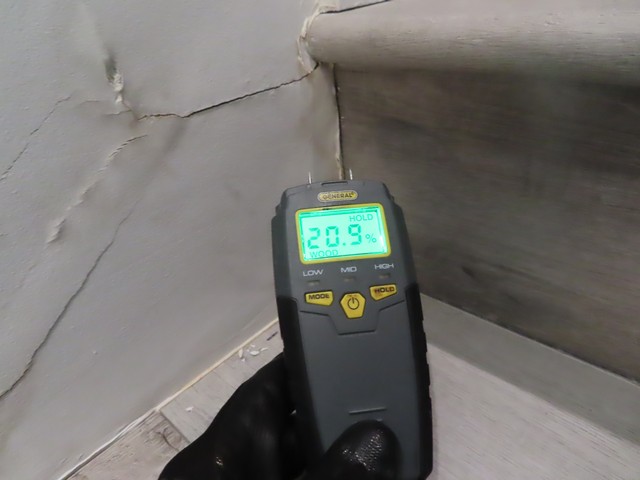
Ask your mold inspector what techniques they use during a mold test. Most professionals combine visual inspection, moisture meter checks, hvac system analysis, and air sampling for airborne spores.
A good mold test also includes surface or bulk sampling for lab results that show if mycotoxins or specific types of mold are present. A thorough inspection looks at microscopic mold spores not visible to the naked eye and helps determine safe levels of exposure.
Comprehensive mold inspection and testing services identify potential water intrusion sources and mold growth patterns, helping you understand if a problem exists in your home or business. This ensures the remediation process will target the affected area accurately.
Do You Have Insurance Coverage, Including Liability and Errors and Omissions?
It’s essential to ask if your mold inspector carries insurance, including general liability and errors and omissions coverage. This protects you from financial risk if something goes wrong during the mold inspection or mold testing.
Hiring a professional with proper coverage demonstrates their credibility and professionalism. It also guarantees that you’re working with someone who takes health risks seriously and provides reliable inspection services for your peace of mind.
Will You Provide a Written Report Detailing Your Findings?
A written report is a critical part of every mold inspection. This document should describe the presence of mold, the type of mold detected, and the recommended mold remediation steps.
Ensure the inspector includes photos of visible mold, data from air tests, and lab results from sampling. This information helps determine the amount of mold, whether a problem is present, and what the next steps for mold remediation should be.
A clear inspection report is also useful for insurance claims or home inspections and provides peace of mind that the job was done thoroughly.
How Do You Handle Potential Conflicts of Interest?
Ask how your mold inspector ensures unbiased mold testing and avoids conflicts of interest. A trustworthy inspector should not perform mold removal or remediation themselves, which guarantees that their findings are objective.
Professionals who do not work with remediation companies or perform repairs can give honest assessments without pressure to upsell services. Transparency ensures accurate information, helping you make confident decisions about how to address your mold issue safely.
What Are Your Fees and What Do They Include?
What’s the average cost of a mold inspection? The cost of a mold inspection typically ranges from $300 to $1,000, but inspection cost varies based on property size, inspection complexity, and whether lab analysis or multiple samples are included.
Ask what’s covered, some inspection services include testing, sampling, and a written report, while others may charge extra for air samples or moisture mapping.
Compare the inspection cost with what’s offered. Don’t be tempted by unusually low prices, as thorough mold inspection and testing with lab-based data provide real peace of mind and accurate results.
How Do You Approach Mold Remediation Recommendations?
When the inspection shows mold is present, you’ll want to know how your mold inspector recommends handling remediation. A trusted professional will outline the remediation process, including how to contain the affected area, use scrubbers, and remove only contaminated materials.
Although inspectors typically don’t perform mold remediation themselves, they provide clear steps to fix the problem and prevent mold from continuing to grow. They may also suggest checking your hvac system and porous materials for hidden mold damage.
Having a detailed remediation plan based on inspection results gives clarity, transparency, and protection against future mold issues.
What Is Your Process for Follow-Up Inspections?
Follow-up inspections are a key part of the mold remediation process. After remediation, a licensed mold inspector should return to check that the problem is resolved and that no mold spores remain airborne or on surfaces.
They may conduct air tests or take samples from previously affected areas to verify that samples are within safe levels. The follow-up inspection confirms the success of the remediation and ensures continued indoor air quality.
A thorough follow-up gives homeowners peace of mind knowing the mold problem has been addressed completely and their indoor environment is safe again.
Quality Mold Inspections and Testing Near You
At Golden State Mold Inspections, we specialize in mold inspection and mold testing for your home or business. Serving Southern California, our team provides full and partial inspections, pre- and post-assessments, and detailed reports based on accurate sampling and lab analysis.
If you’re buying or selling a property, dealing with water damage, or suspect mold growing inside a wall or crawlspace, getting a mold inspection is the first step toward restoring a healthy indoor environment. Our licensed mold inspectors include testing with every visit. We used advanced tools like thermal imaging, moisture meters, and hvac inspection to identify even microscopic mold spores invisible to the naked eye.
We do not perform mold remediation ourselves. This eliminates any conflict of interest ensuring you get unbiased mold inspection and remediation guidance. Our detailed assessment outlines the exact remediation process to fix the problem while recommending trusted remediators if required mold removal services are needed.
With competitive pricing and transparent quotes, we deliver peace of mind and professional results you can count on. Contact us today to get estimates, discuss the cost of a mold inspection, and schedule an appointment with Los Angeles’s most trusted mold inspection and testing specialists. Call us and let us help you identify any mold issue today!

Golden State Mold
204 Lomita St, El Segundo, CA 90245
(310) 525-0619